Lady Gaga Montreal: Official Illness or Hidden Cancellation Truth?
The music world and Lady Gaga's devoted "Little Monsters" in Quebec were left reeling recently after the last-minute
annulation spectacle Lady Gaga in Montreal. What began as a widely accepted explanation of illness quickly spiraled into a storm of unconfirmed rumors, leaving fans and observers alike questioning the official narrative. Was the pop superstar truly battling a respiratory infection, or was there another, hidden truth behind the sudden halt of her highly anticipated performance at the Centre Bell? This article delves into both sides of the story, exploring the official statement, the intriguing whispers that followed, and the broader implications for artists, venues, and the ever-passionate fan base.
The Official Narrative: A Health Setback for the Pop Icon
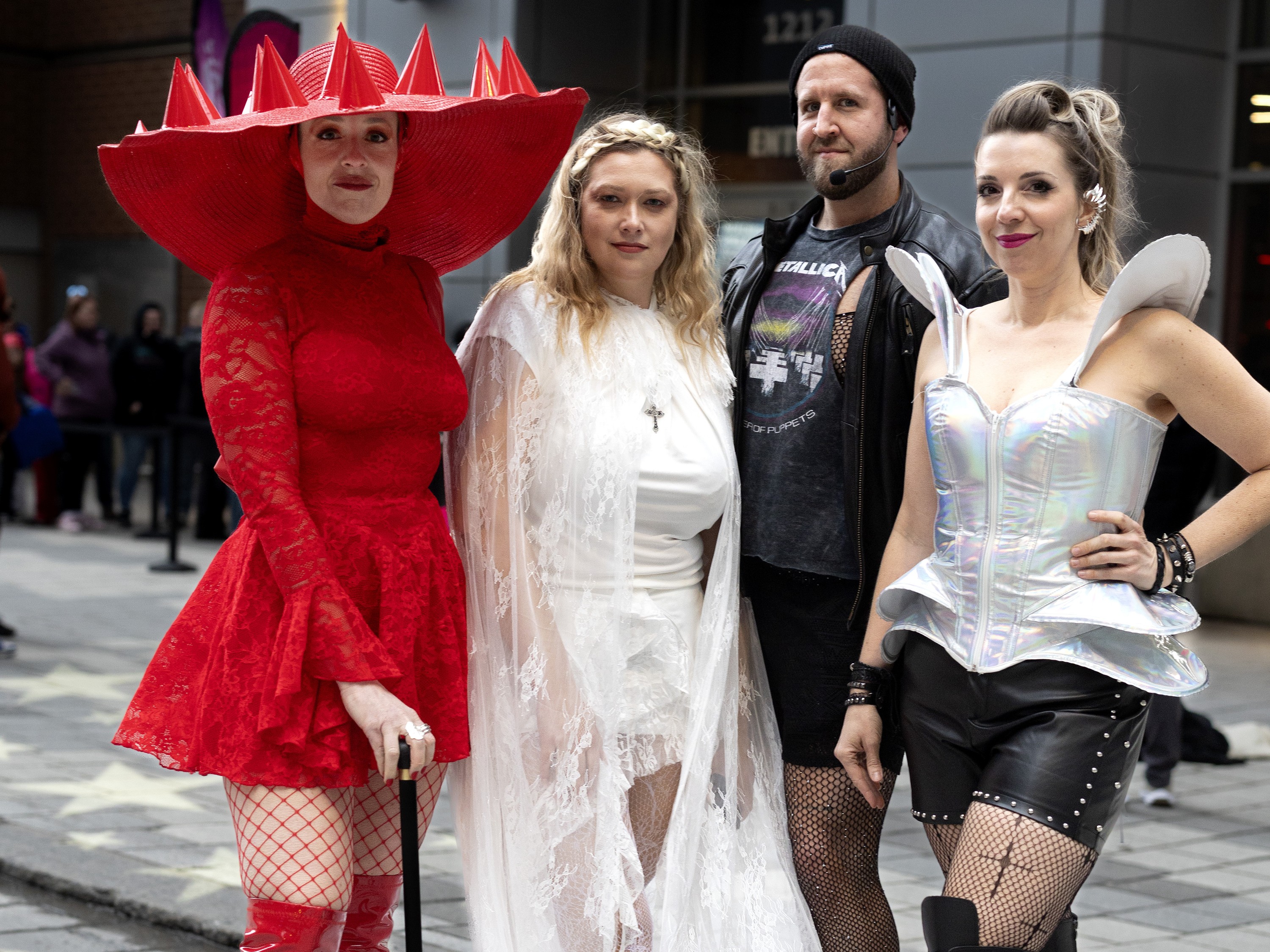
On a Monday evening, just hours before Lady Gaga was set to take the stage, hundreds of fans received the devastating news: the concert was canceled. Many had traveled from afar, booked hotels, and taken time off work, their excitement building for months. The disappointment was palpable, echoing through the Centre Bell's surrounding area as fans processed the sudden void.
Lady Gaga herself addressed her audience via social media, explaining that she was suffering from a respiratory infection. She conveyed her deep regret, stating that her health would prevent her from delivering a performance "to the height" of her own standards and her fans' expectations. This explanation, coming directly from the artist, was initially met with an outpouring of sympathy and understanding. Fans, though heartbroken, largely accepted the reason, focusing their emotions on the disappointment of not seeing their idol rather than questioning the veracity of her statement. The sentiment was clear: health comes first, and a true artist would rather cancel than give a subpar show.
However, the rapid spread of news in the digital age often means that official statements are just the beginning of the conversation. While the immediate reaction was one of empathetic understanding, the silence that followed regarding a rescheduled date, combined with the sheer last-minute nature of the announcement, began to fuel an undercurrent of skepticism, particularly in a city as connected and rumor-prone as Montreal.
Unraveling the Rumor Mill: A Weekend in Montreal?
As the initial shock of the cancellation began to subside, a different narrative started to gain traction, fueled primarily by discussions on social media and mentions in local media, notably the "Pop Pop" podcast with Marie-Josée Gauvin. This alternative version painted a picture far removed from the quiet recovery of an ailing artist.
According to these unconfirmed rumors, Lady Gaga might have known about the impending cancellation as early as the Friday preceding the Monday concert. This specific detail immediately raised eyebrows: if true, why the last-minute announcement, leaving countless fans in the lurch?
Further adding fuel to the fire were alleged sightings of the singer in various downtown Montreal establishments over the weekend. One prominent claim, widely discussed after being shared on Énergie radio, suggested she was seen late Sunday night at a speakeasy in the city center. The source of this rumor even claimed that Non-Disclosure Agreements (NDAs) were signed by those present to prevent any information from leaking. The mention of NDAs is particularly intriguing, as these legally binding contracts are often used by high-profile individuals to protect their privacy and prevent sensitive information from becoming public. The idea that such measures would be in place only served to deepen the mystery and heighten suspicion.
The rumors didn't stop there. Other unconfirmed reports placed Lady Gaga at the new social thermal spa, RECESS, in Montreal's Griffintown district. While celebrity sightings are common, the timing of these particular observations – days leading up to, and even the evening before, a "health-related" cancellation – created a compelling, albeit unsubstantiated, counter-narrative to the official statement. For fans who had invested significant time and money, these whispers felt like a betrayal, leading to frustration and a desire for more concrete answers. The debate over these unconfirmed details continues to fascinate, further amplifying the mystery surrounding the
Lady Gaga Montreal: Unconfirmed Rumors Fuel Cancellation Debate.
The Curious Case of the Last-Minute Announcement: Insurance and Logistics
One of the most perplexing aspects of the entire situation, regardless of the official or rumored reasons, is the timing of the announcement. Why wait until mere hours before showtime to cancel an event of this magnitude, impacting thousands? This question has led to another compelling, yet unconfirmed, theory: insurance.
Speculation suggests that the late announcement might have been linked to specific insurance policies. Large-scale concerts, especially those featuring global superstars, are protected by comprehensive insurance plans that cover various contingencies, including artist illness, technical failures, or unforeseen circumstances. It's plausible that certain clauses or conditions within these policies might dictate the timing of a cancellation announcement to ensure maximum coverage or avoid complications with claims. For instance, some policies might not cover losses if a cancellation is announced too far in advance, or they might have specific timeframes for official notification to be valid. This theory suggests that waiting until after 5 PM on the day of the show could have been a strategic move to align with insurance requirements, ensuring that financial losses for the promoters and venue were minimized, even if it meant significant inconvenience for fans.
The use of NDAs, as mentioned in the rumors, further intertwines with this. If there were reasons for the cancellation beyond a simple, sudden illness, and if those reasons were sensitive or financially delicate, ensuring discretion through legal agreements would be a logical step for high-profile figures. NDAs serve to protect information that could be damaging to a reputation, compromise future dealings, or reveal business strategies. In the entertainment industry, where image and perception are paramount, such agreements are common tools for managing public information.
The logistical nightmare of a last-minute cancellation cannot be overstated. From staffing and security to vendor contracts and merchandise, an entire operation built around a single performance must be dismantled in moments. Refunds need to be processed, and future dates (or lack thereof) must be communicated. This complexity adds weight to the idea that the timing was not arbitrary but potentially driven by a complex interplay of personal circumstances, contractual obligations, and financial considerations. For a deeper dive into this aspect, consider reading:
Lady Gaga Montreal Concert: Was Insurance Behind the Late Notice?
Navigating the Information Landscape: Separating Fact from Speculation
In the age of instant information and pervasive social media, events like the
annulation spectacle Lady Gaga in Montreal quickly become fertile ground for rumors. Fans, emotionally invested and often having spent significant sums on tickets, travel, and accommodation, are eager for answers. This creates a vacuum that unofficial sources are quick to fill, often leading to a mixture of plausible theories and outright fabrication.
It's crucial for both fans and media consumers to approach such situations with a critical eye. While rumors can sometimes contain kernels of truth, they often lack official confirmation and can be influenced by hearsay or personal agendas. The power of social media to amplify unverified claims means that a few shared anecdotes can quickly snowball into widespread "fact," making it difficult to discern what's genuinely credible.
For fans, navigating these waters means:
- Prioritizing Official Channels: Always look for statements directly from the artist, their management, or the venue. Official websites, verified social media accounts, and reputable news outlets should be your primary sources of information regarding cancellations, rescheduling, and refund policies.
- Understanding Refund Procedures: If a concert is canceled, venues and ticket vendors usually have clear policies for refunds. Be patient, as processing thousands of refunds can take time. Keep an eye on your email for updates from your point of purchase.
- Practicing Critical Thinking: Before sharing or believing unconfirmed stories, consider the source. Is it a verified account? Is there any evidence beyond "a friend of a friend"? Unsubstantiated claims, no matter how tantalizing, remain speculation until proven otherwise.
- Considering the Human Element: While frustrating, remember that artists are also human beings. Health issues, logistical challenges, and personal circumstances can genuinely lead to unforeseen cancellations.
For media outlets and content creators, the ethical responsibility lies in clearly distinguishing between official statements and unconfirmed rumors, presenting both fairly but with appropriate caveats. The goal should be to inform, not to sensationalize or spread misinformation.
Conclusion
The Lady Gaga Montreal concert cancellation remains a captivating mystery, illustrating the complexities of celebrity life, event management, and public perception in the digital age. While the official explanation points to a respiratory infection, the persistent rumors of weekend outings and potential insurance implications continue to fuel debate and discussion. Ultimately, without an official statement from Lady Gaga's camp addressing the circulating rumors, fans are left to grapple with the conflicting narratives. What is certain is the profound disappointment felt by Little Monsters across Quebec and beyond. As the dust settles, the hope remains that clarity will eventually emerge, perhaps accompanied by a rescheduled date that allows Lady Gaga to finally deliver the electrifying performance her Montreal fans so eagerly anticipate. Until then, the story serves as a potent reminder of the fine line between confirmed facts and the compelling allure of hidden truths.